China Focus: China announces top 10 archaeological discoveries for 2025


This photo taken on April 29, 2026 shows the press conference announcing China's 2025 list of top 10 archaeological discoveries in Beijing, capital of China. (Xinhua/Li He)
BEIJING, April 29 (Xinhua) -- China on Wednesday announced its 2025 list of the top 10 archaeological discoveries, with findings spanning from the forests of the Changbai Mountains in the northeast to the foothills of the Helan Mountains in the northwest, offering fresh insights into key chapters of the 5,000-year-long Chinese civilization.
The annual list, released by the National Cultural Heritage Administration, is widely regarded as one of the country's most authoritative recognitions in archaeology. It highlights breakthroughs that help resolve longstanding historical questions, ranging from prehistoric human activity and Neolithic urbanization to imperial-era statecraft and craftsmanship.
PALEOLITHIC SITES IN NORTHEAST
Among the most notable discoveries is a cluster of Paleolithic sites in the Changbai Mountains in northeast China's Jilin Province. Covering more than 100,000 square kilometers, the project identified over 1,000 new locations containing stone tool remains. Archaeologists said the findings, particularly the distinctive obsidian tool industry, document technological evolution and human adaptation from roughly 220,000 to 13,000 years ago.
The discovery is expected to reshape academic understanding of prehistoric human activity in Northeast Asia, offering crucial evidence of cross-regional cultural exchanges in the region and the ancient root of the Chinese civilization.
5,000-YEAR-OLD CITY PLANNING
Further west, the Nanzuo Site in northwest China's Gansu Province has been recognized as a peak example of the late Yangshao Culture. The site, spanning about 6 million square meters, features a large, rammed-earth compound at its core and a multi-layered settlement layout.
Researchers say the site provides evidence that the traditional Chinese urban planning system, based on a central axis model, dates back around 5,000 years.
The findings suggest the early emergence of city planning and regional political authority on the Loess Plateau. Artifacts such as painted pottery, turquoise, and early brick materials indicate advanced craftsmanship, social stratification and long-distance exchanges with other regions along the Yangtze and Yellow rivers.
FIRST EMPEROR'S TOUR SITE
In eastern China, excavations at the Langya Terrace site in east China's Shandong Province provide the first solid archaeological confirmation of historical records describing eastern inspection tours by Qin Shi Huang, China's first emperor.
The coastal site, surrounded by sea on three sides, is believed to be the earliest and largest state-level construction project of the Qin Empire discovered in the country's eastern region.
Scholars say the site illustrates how the Qin and later Han dynasties projected political authority and expanded maritime awareness, offering fresh insight into governance strategies during the formation of a unified empire.
ROYAL KILN OF ETHNIC MINORITY DYNASTY
In northwest China's Ningxia Hui Autonomous Region, the Suyukou Kiln Site near the Helan Mountains has been identified as an official kiln serving the royal family of the Western Xia (1038-1227), an ethnic minority-ruled regional regime. The site, the largest and best-preserved fine white porcelain kiln complex discovered in the region, produced ceramics that closely match those unearthed from Western Xia royal tombs and palaces.
Archaeologists say the kiln operated from the early Western Xia period (about 1080) until shortly before the regime's fall in 1227, providing rare material evidence of state-controlled production under an ethnic minority regime. The discovery fills a key gap in the study of China's ceramic history and illustrates the transition of the Western Xia society from nomadic traditions to a more complex agrarian and handicraft-based culture. ■
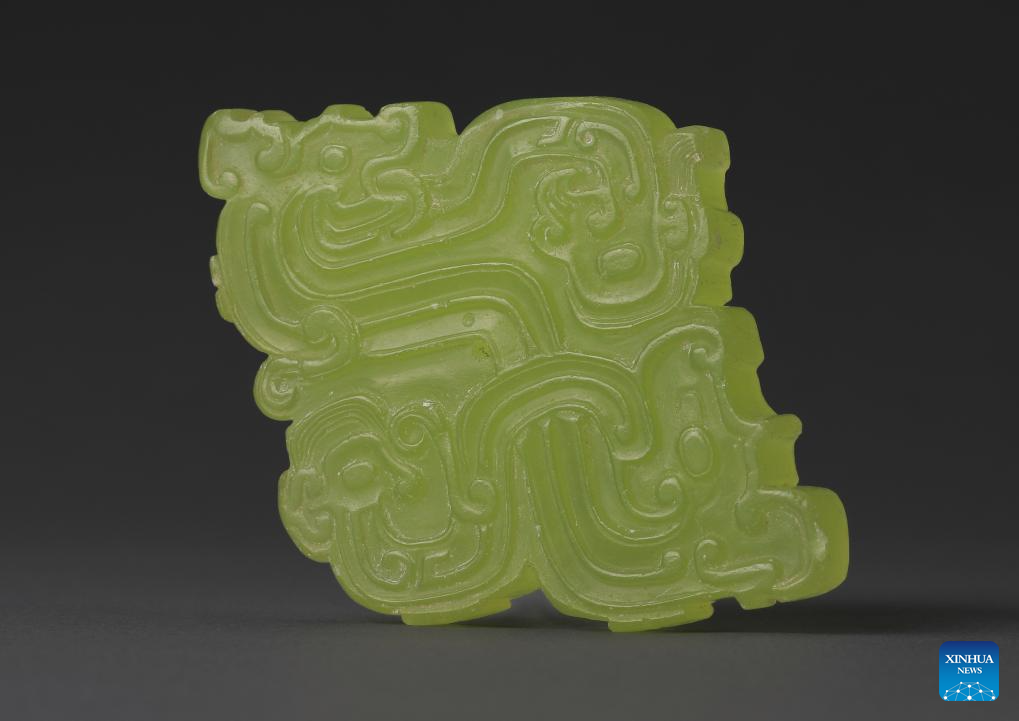
This file photo shows a jade pendant discovered from the Changchun Site, Fuping, northwest China's Shaanxi Province. (Xinhua)
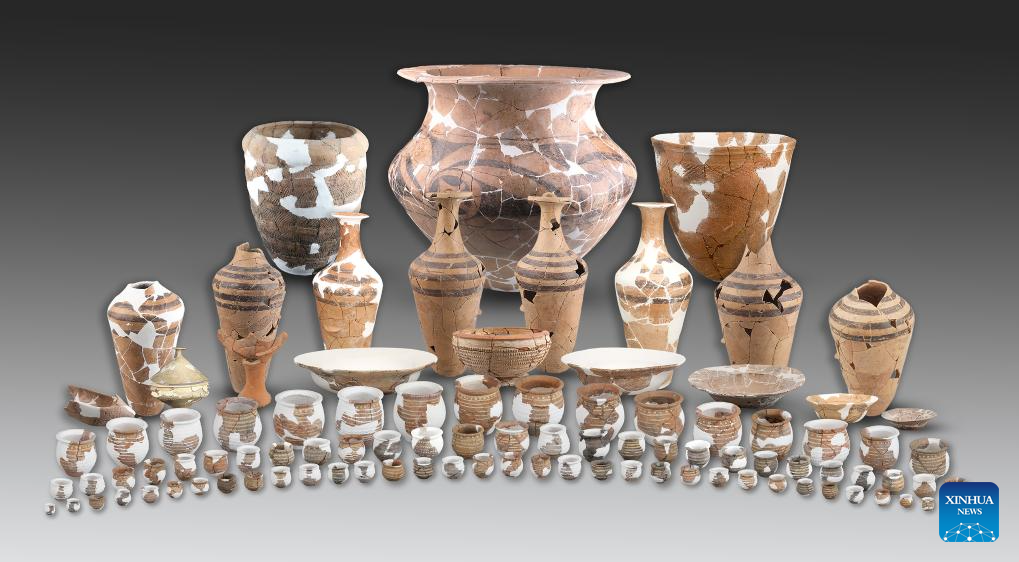
This illustration shows pottery unearthed from the Nanzuo Site in northwest China's Gansu Province. (Xinhua)
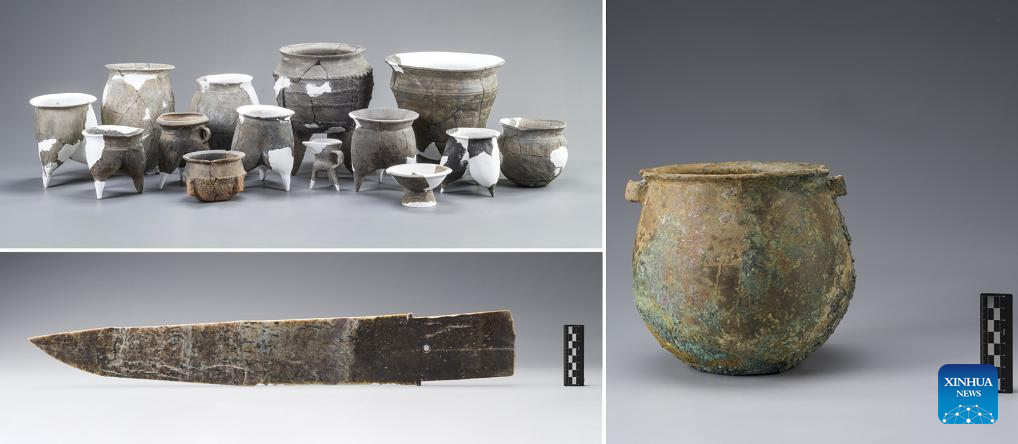
This combo file photo shows artifacts discovered from Shangcheng Site in Zhengzhou, central China's Henan Province. (Xinhua)

This file photo shows remains of a tomb at the Zhongcun site in Xiyang County, north China's Shanxi Province. (Xinhua)
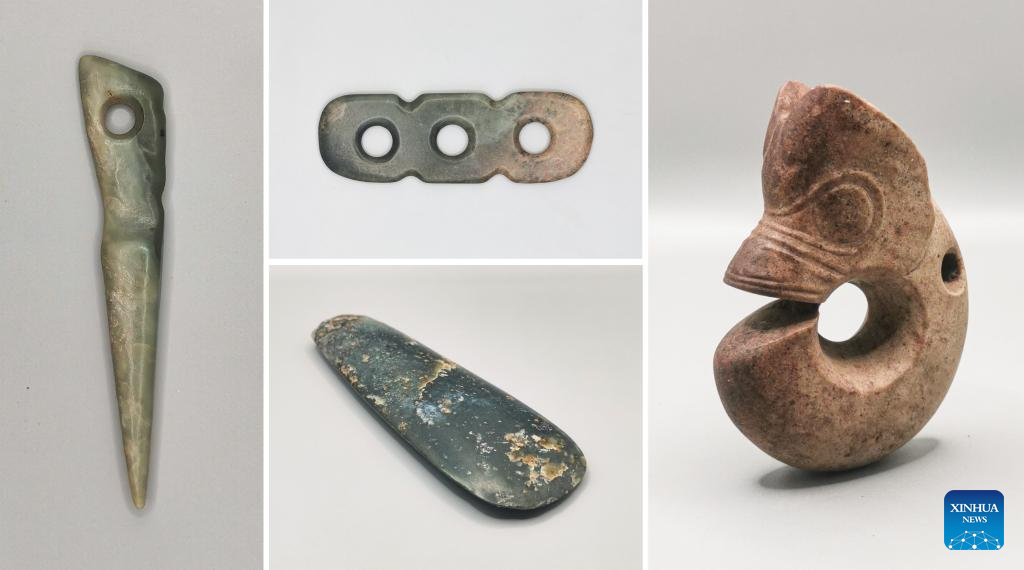
This combo file photo shows jade artifacts unearthed from stone mound tombs at the Zhengjiagou site in Xuanhua, north China's Hebei Province. (Xinhua)
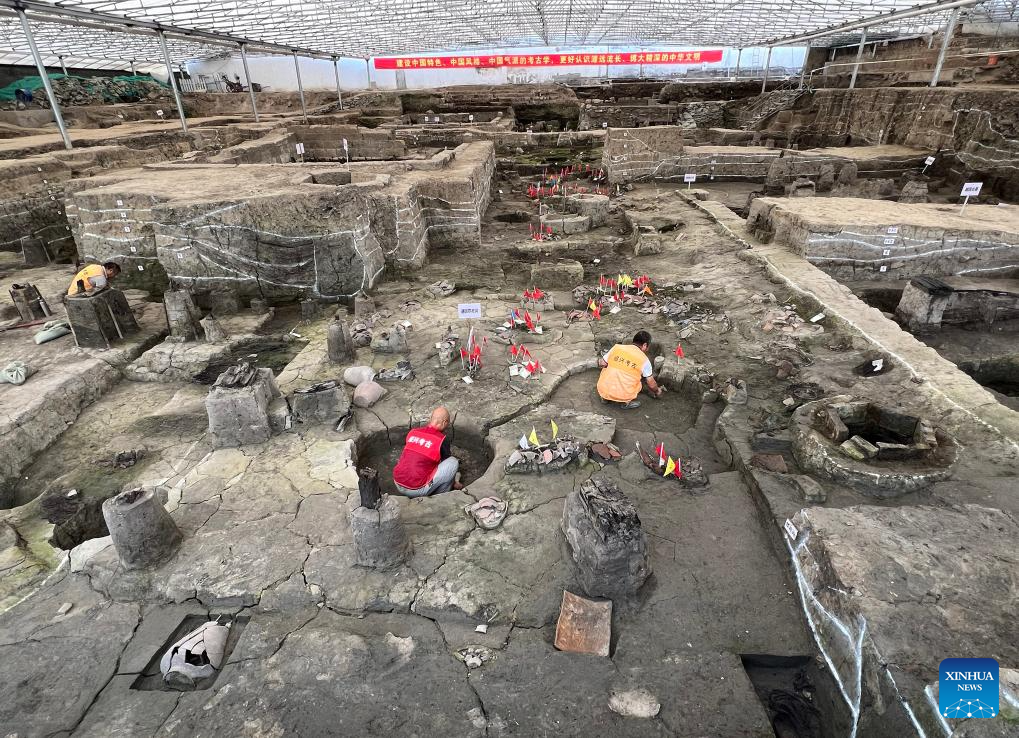
This file photo shows a view of the excavation of the ancient Yue State capital site and the Kuaiji Commandery Site from the Han Dynasty (202 B.C.-25 A.D.) to the Six Dynasties period (222-589) in Shaoxing, east China's Zhejiang Province. (Xinhua)
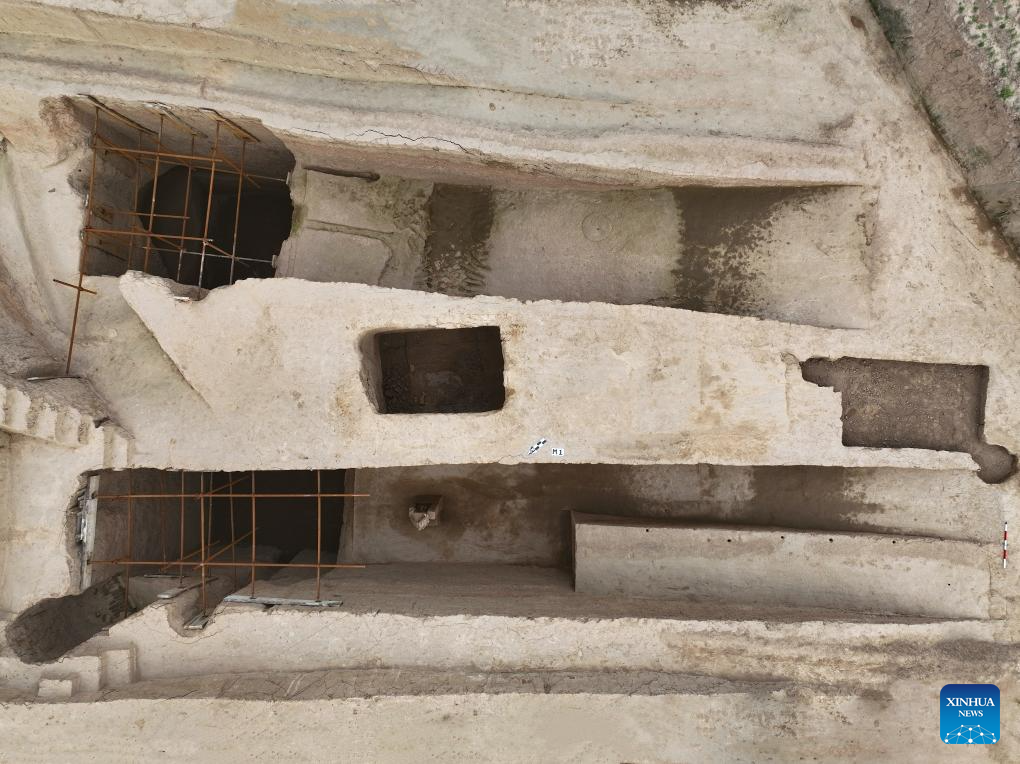
This file photo shows a view of the tomb excavation area at the Changchun Site, Fuping, northwest China's Shaanxi Province. (Xinhua)
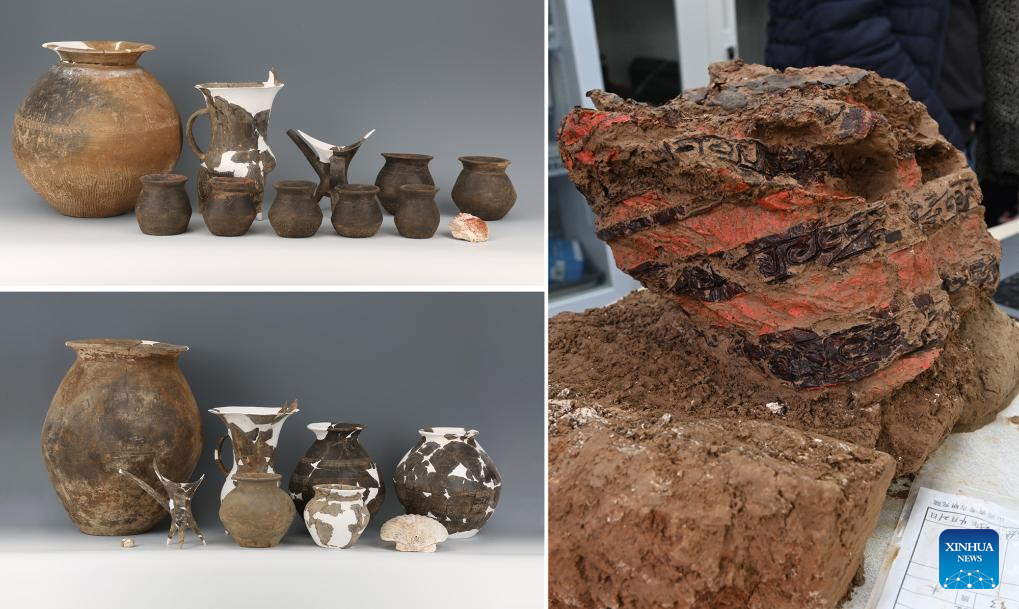
This combo file photo shows artifacts unearthed at the Zhongcun site in Xiyang County, north China's Shanxi Province. (Xinhua)
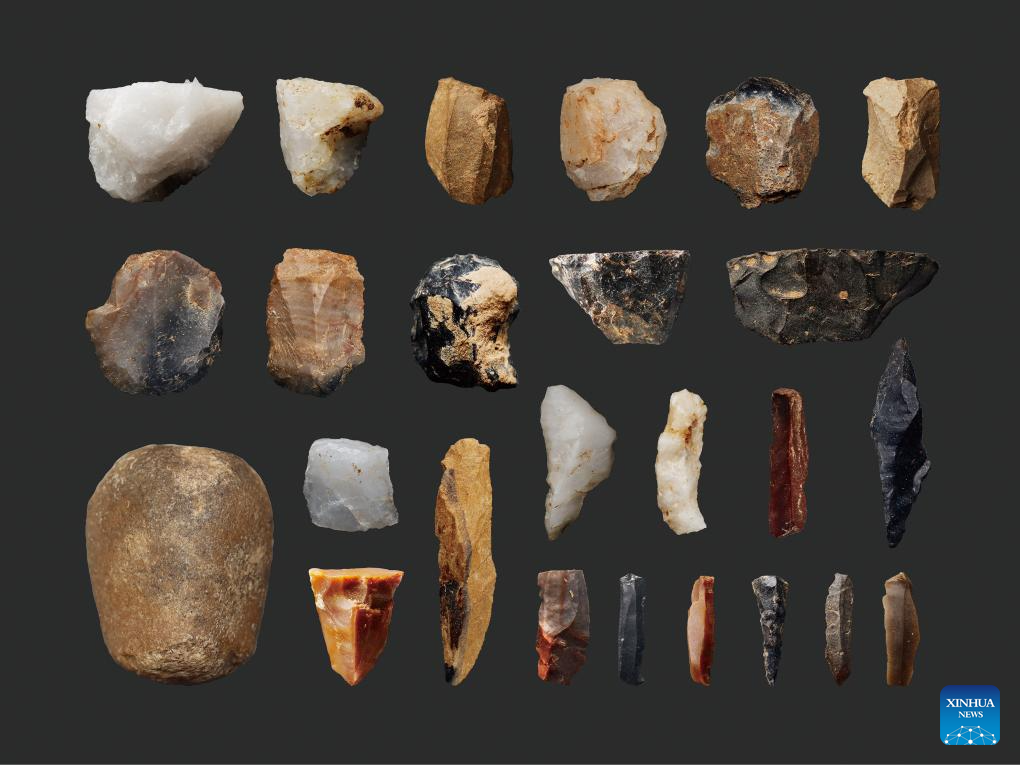
This illustration shows typical lithic artifacts from the Peiligang site, Xinzheng, central China's Henan Province. (Xinhua)
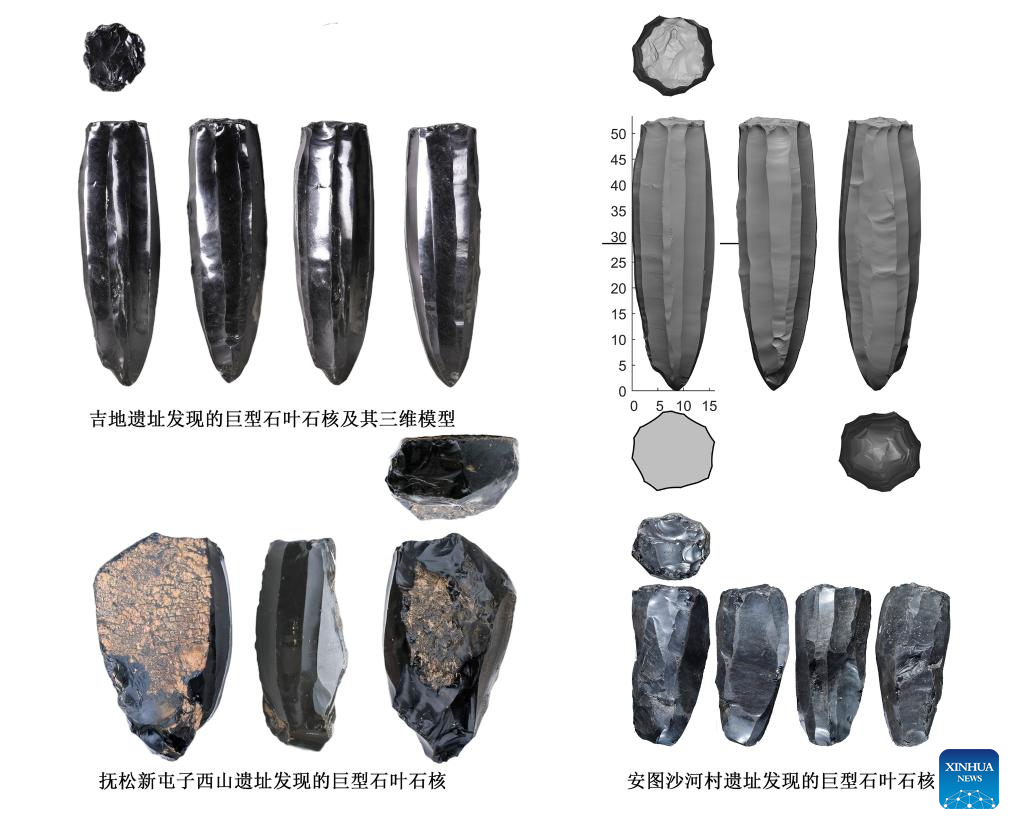
This illustration shows the giant stone tools from a cluster of Paleolithic sites in the Changbai Mountains in northeast China's Jilin Province. (Xinhua)

This file photo shows pottery figurines from the Peiligang site, Xinzheng, central China's Henan Province. (Xinhua)
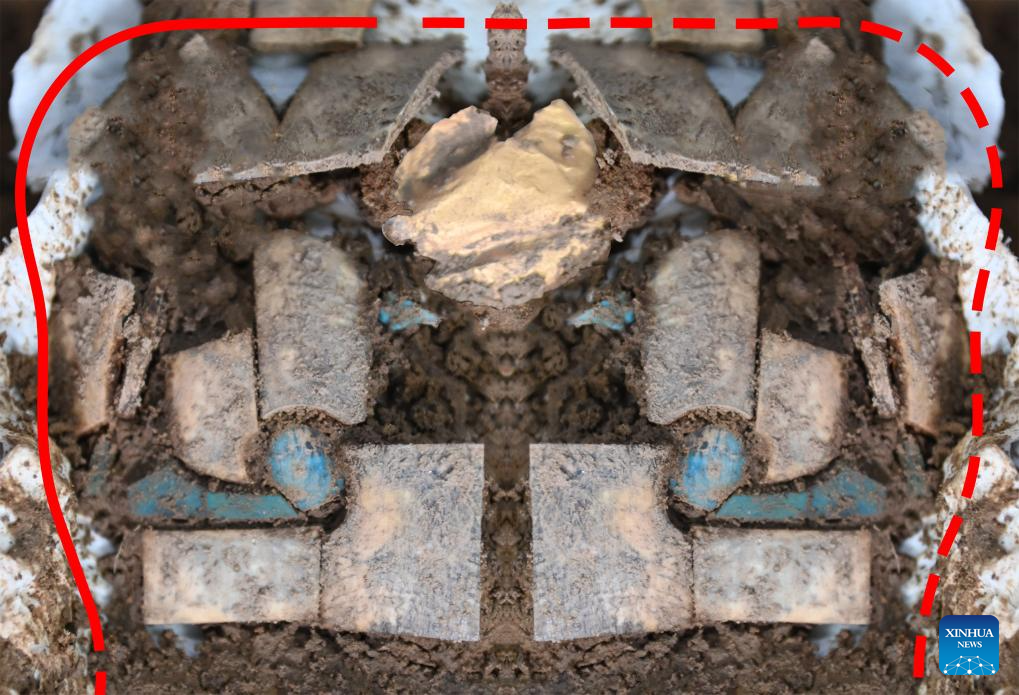
This file picture shows beast-face artifacts discovered at Shangcheng Site in Zhengzhou, central China's Henan Province. (Xinhua)

This illustration shows 2025 excavation locations of Shangcheng Site in Zhengzhou, central China's Henan Province. (Xinhua)
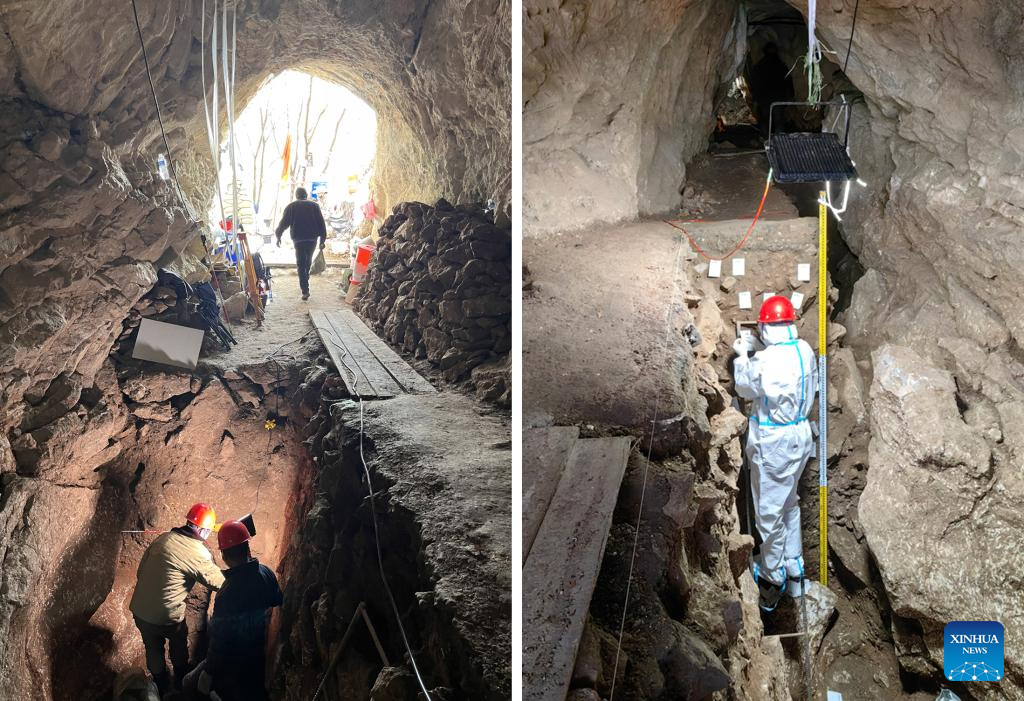
This combo file photo shows archaeologists working at the Xianrendong cave site in Huadian, northeast China's Jilin Province. (Xinhua)
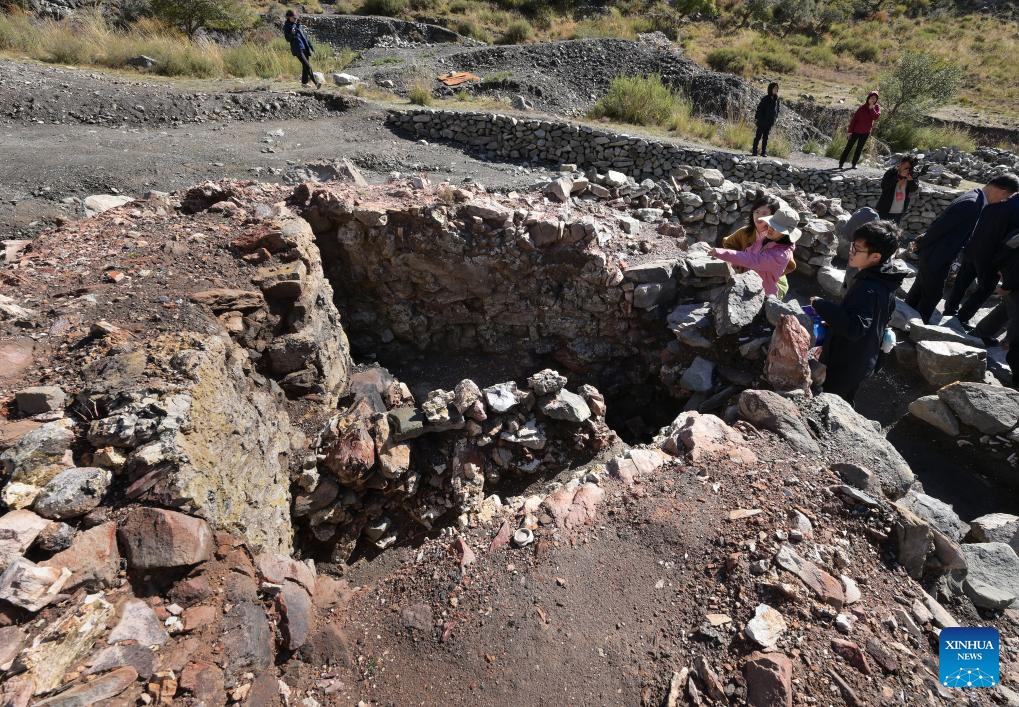
Archaeologists inspect a furnace at the remnants of the Suyukou Kiln Site near the Helan Mountains in Yinchuan, northwest China's Ningxia Hui Autonomous Region, Oct. 13, 2025. (Xinhua/Li He)

This file photo shows the archaeological excavation site of stone mound tombs at the Zhengjiagou site in Xuanhua, north China's Hebei Province. (Xinhua)
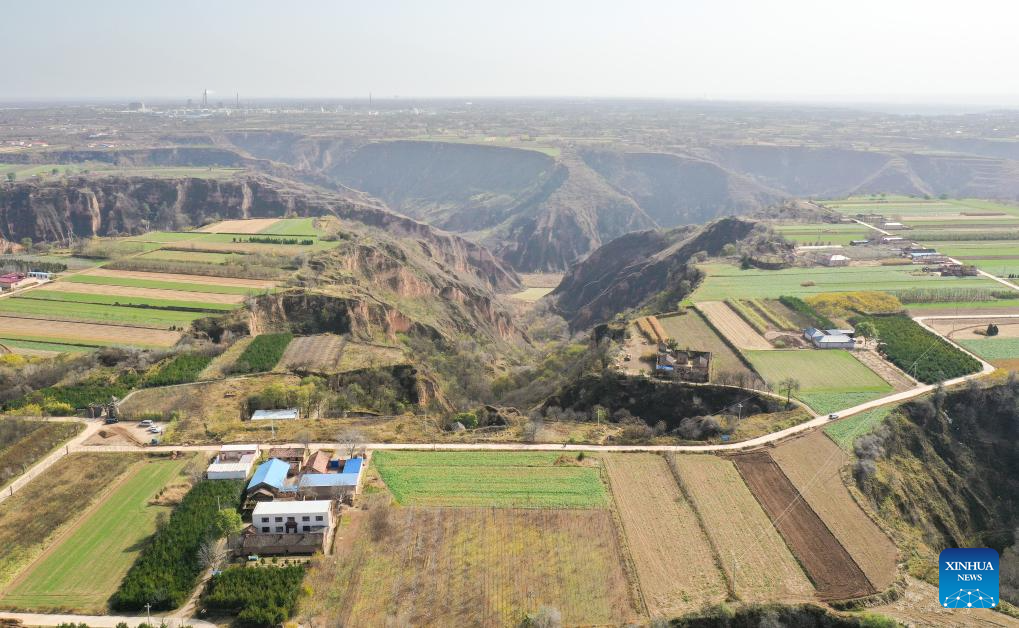
This file aerial drone photo shows the core area of the Nanzuo Site in northwest China's Gansu Province. (Xinhua)
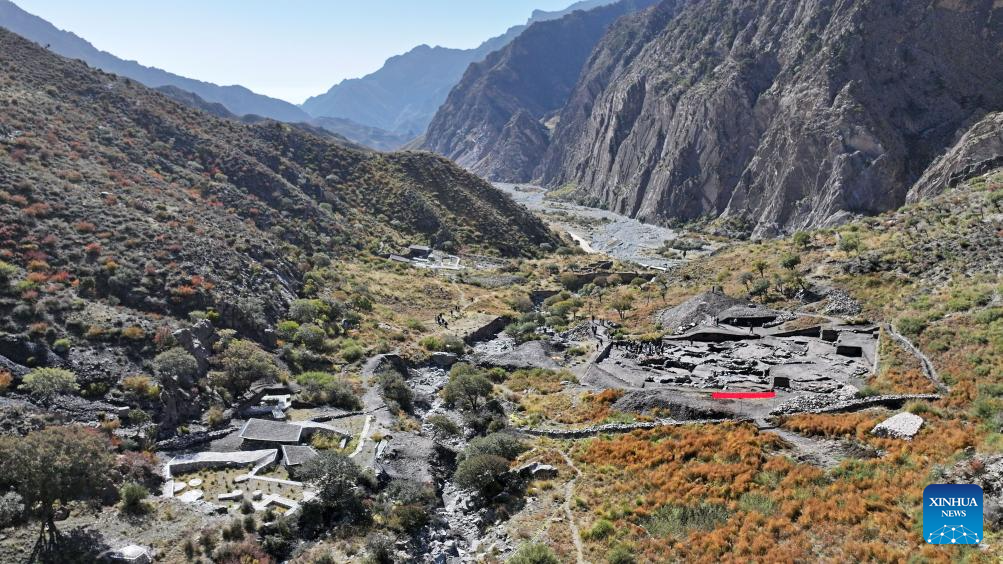
An aerial drone photo taken on Oct. 13, 2025 shows a view of the Suyukou Kiln Site near the Helan Mountains in Yinchuan, northwest China's Ningxia Hui Autonomous Region. (Xinhua/Wang Peng)
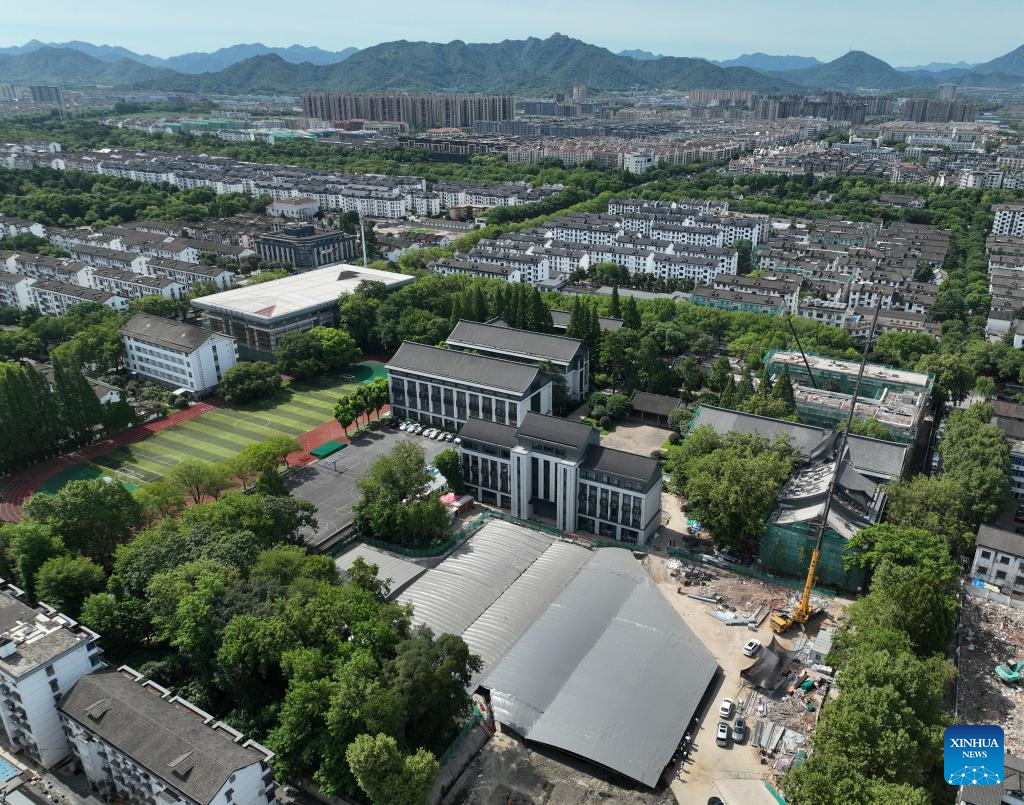
An aerial drone photo taken on July 23, 2024 shows a view of the ancient Yue State capital site and the Kuaiji Commandery Site from the Han Dynasty (202 B.C.-25 A.D.) to the Six Dynasties period (222-589) in Shaoxing, east China's Zhejiang Province. (Xinhua/Weng Xinyang)
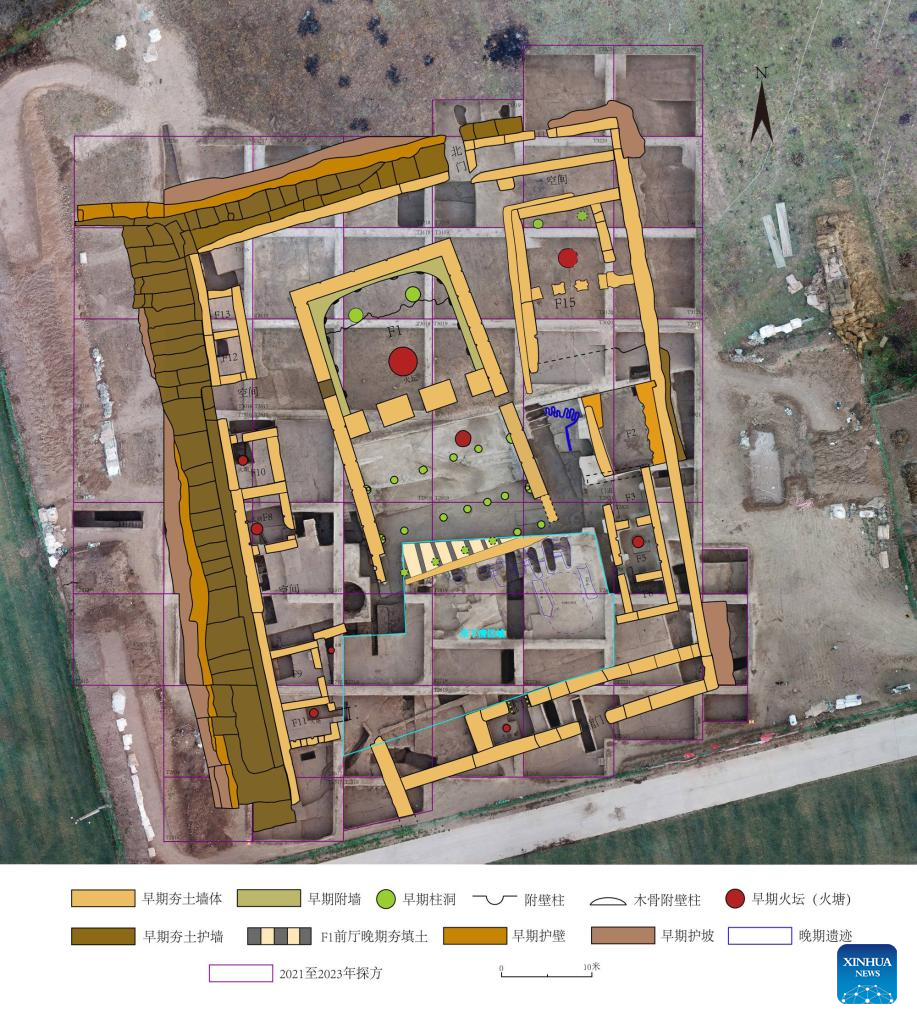
This illustration shows a view of the Nanzuo Site in northwest China's Gansu Province. (Xinhua)
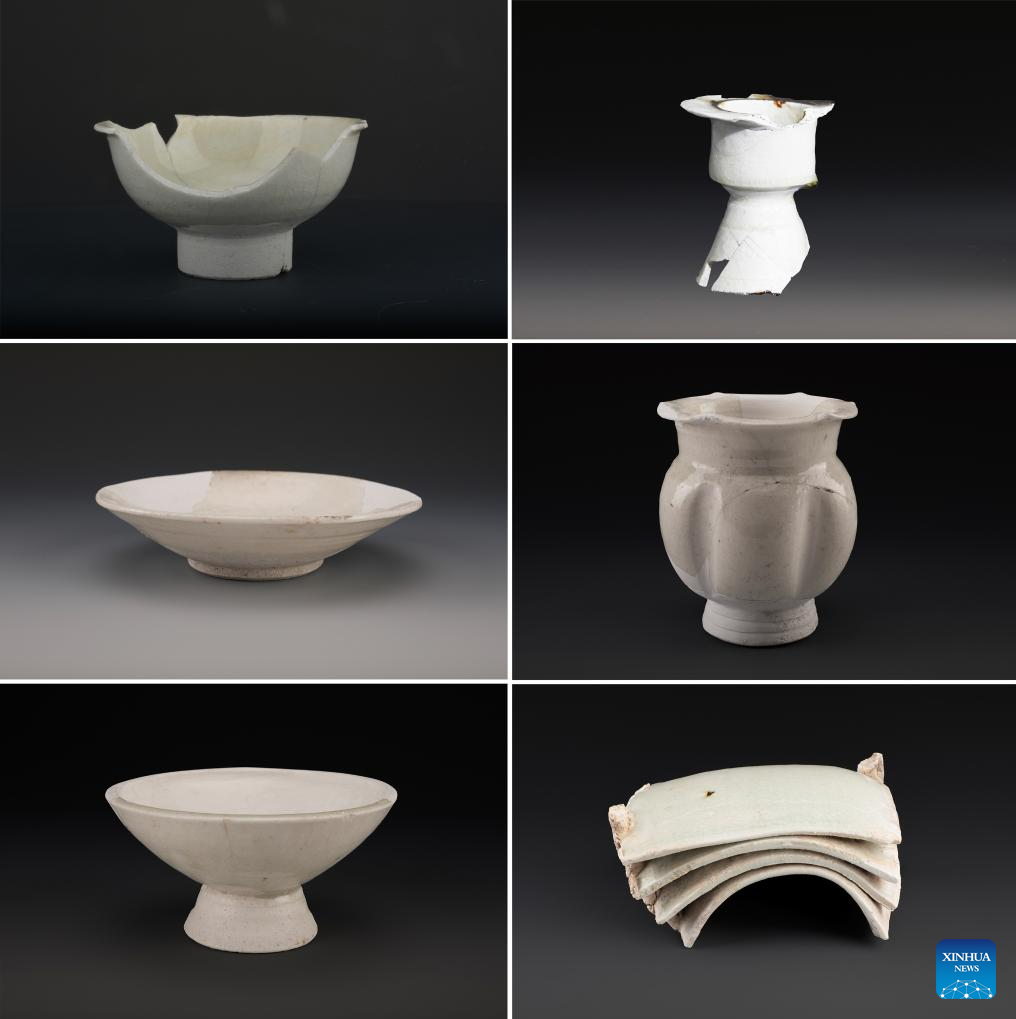
This combo file photo shows excavated porcelain discovered from the Suyukou Kiln Site near the Helan Mountains in Yinchuan, northwest China's Ningxia Hui Autonomous Region. (Xinhua)
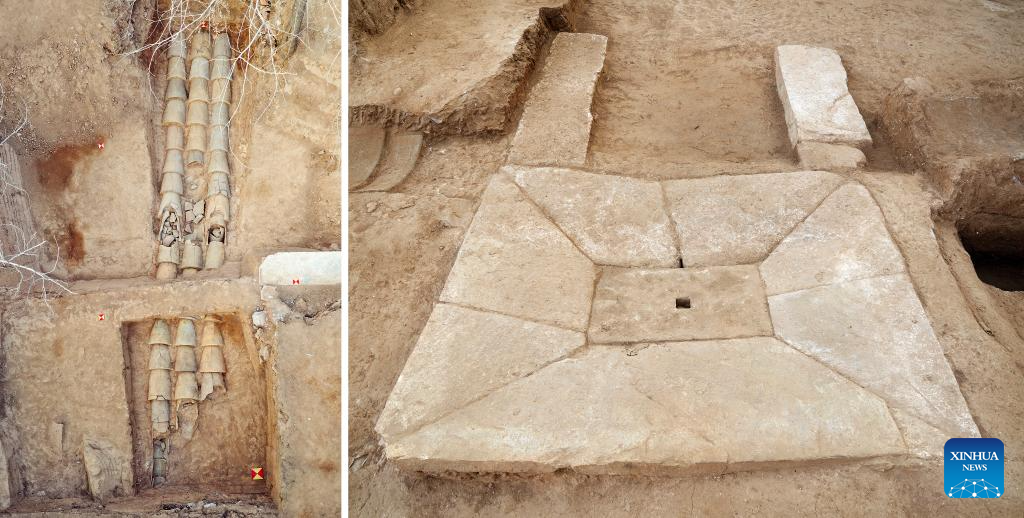
This combo file photo shows drainage facilities discovered from the Langya Terrace site in Qingdao, east China's Shandong Province. (Xinhua)
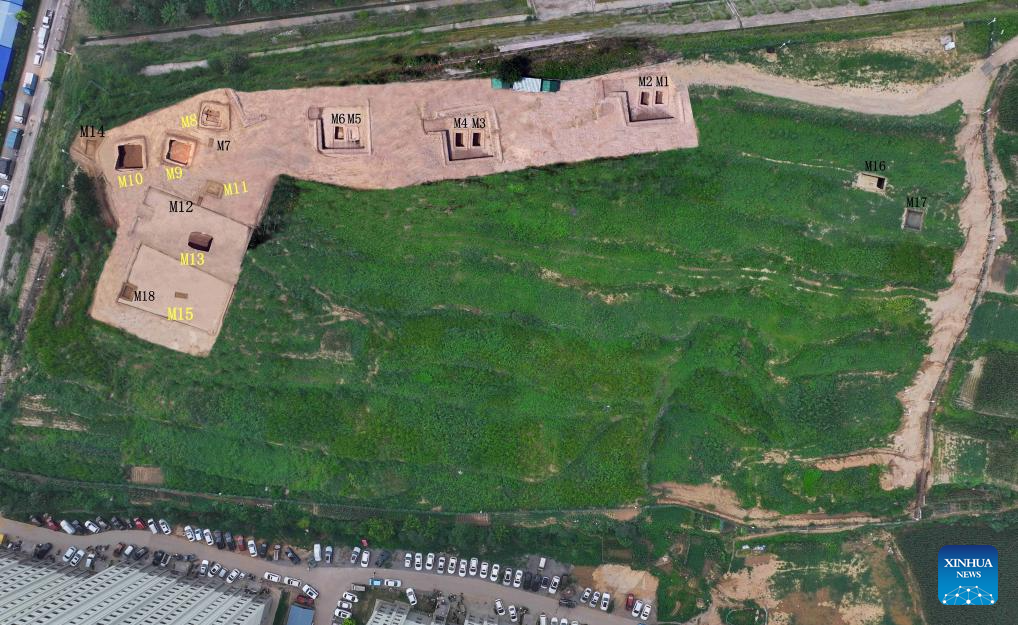
This file aerial drone photo shows the distribution of tombs at the Zhongcun site in Xiyang County, north China's Shanxi Province. (Xinhua)
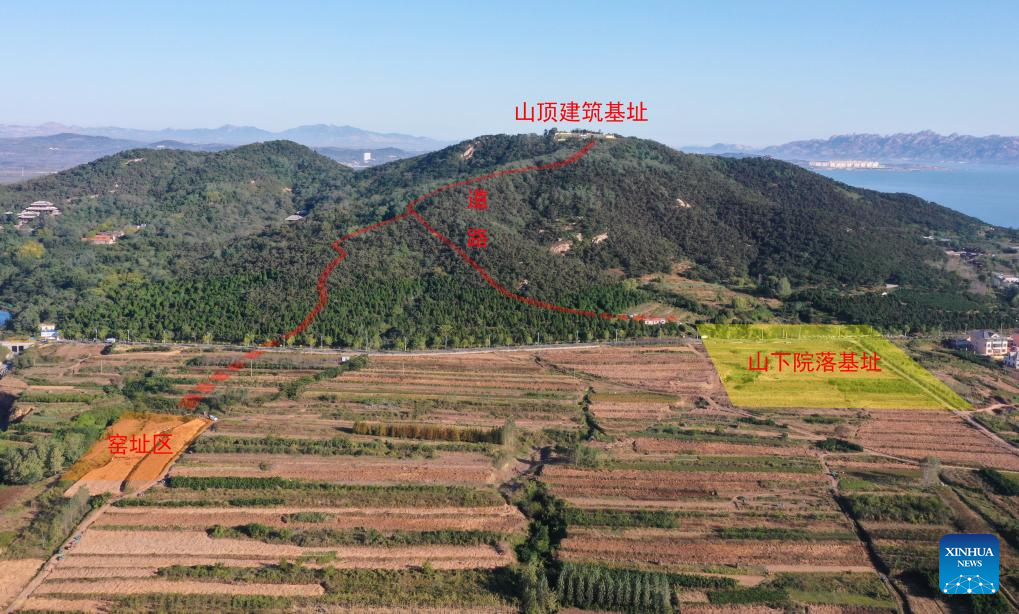
This illustration shows a view of the Langya Terrace site in Qingdao, east China's Shandong Province. (Xinhua)
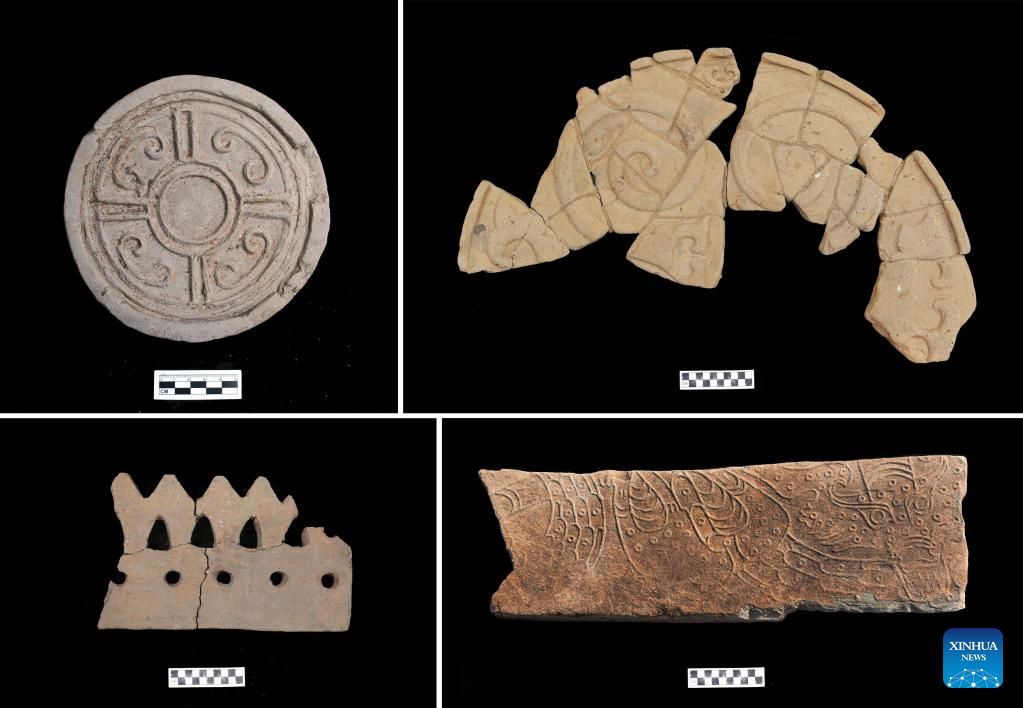
This combo file photo shows excavated artifacts discovered from the Langya Terrace site in Qingdao, east China's Shandong Province. (Xinhua)
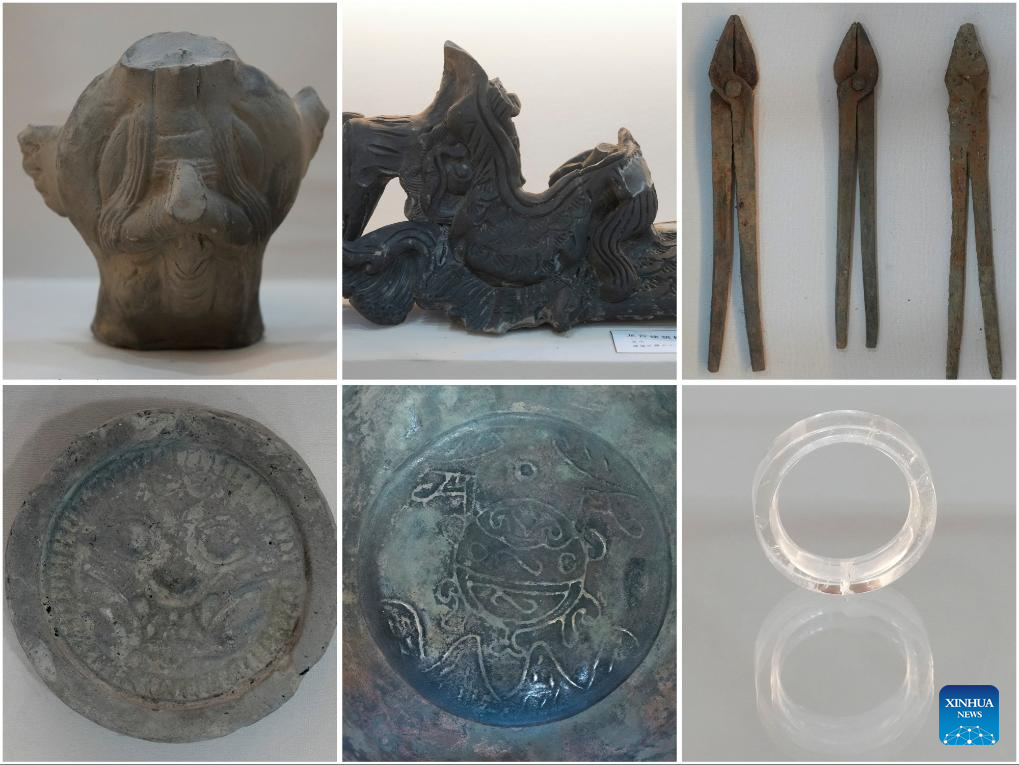
This combo photo taken on July 23, 2024 shows artifacts discovered from the ancient Yue State capital site and the Kuaiji Commandery Site from the Han Dynasty (202 B.C.-25 A.D.) to the Six Dynasties period (222-589) in Shaoxing, east China's Zhejiang Province. (Xinhua/Weng Xinyang)
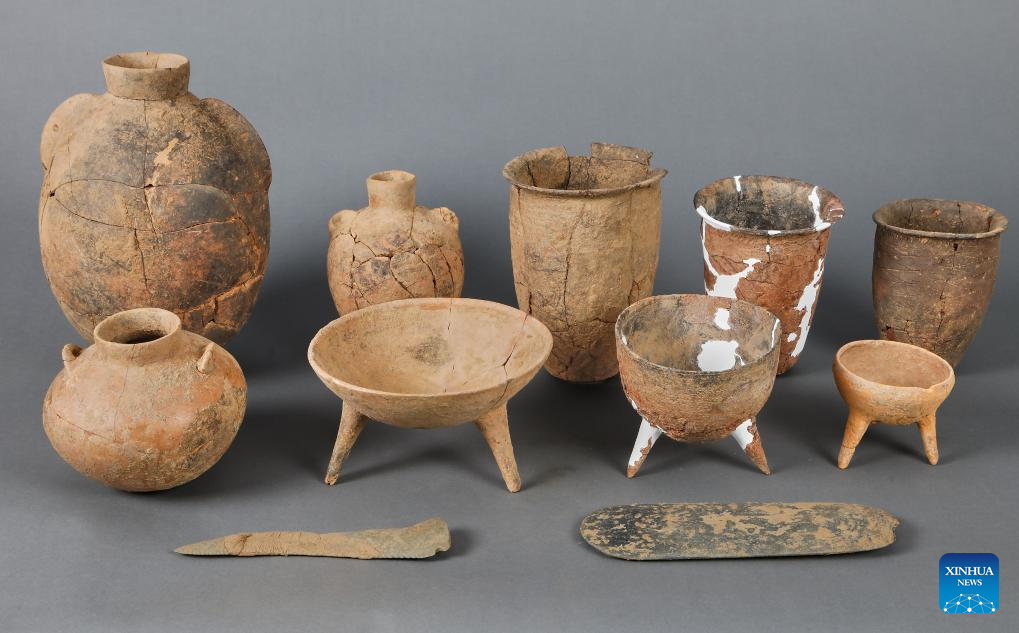
This file photo shows artifacts unearthed from the Peiligang site, Xinzheng, central China's Henan Province. (Xinhua)
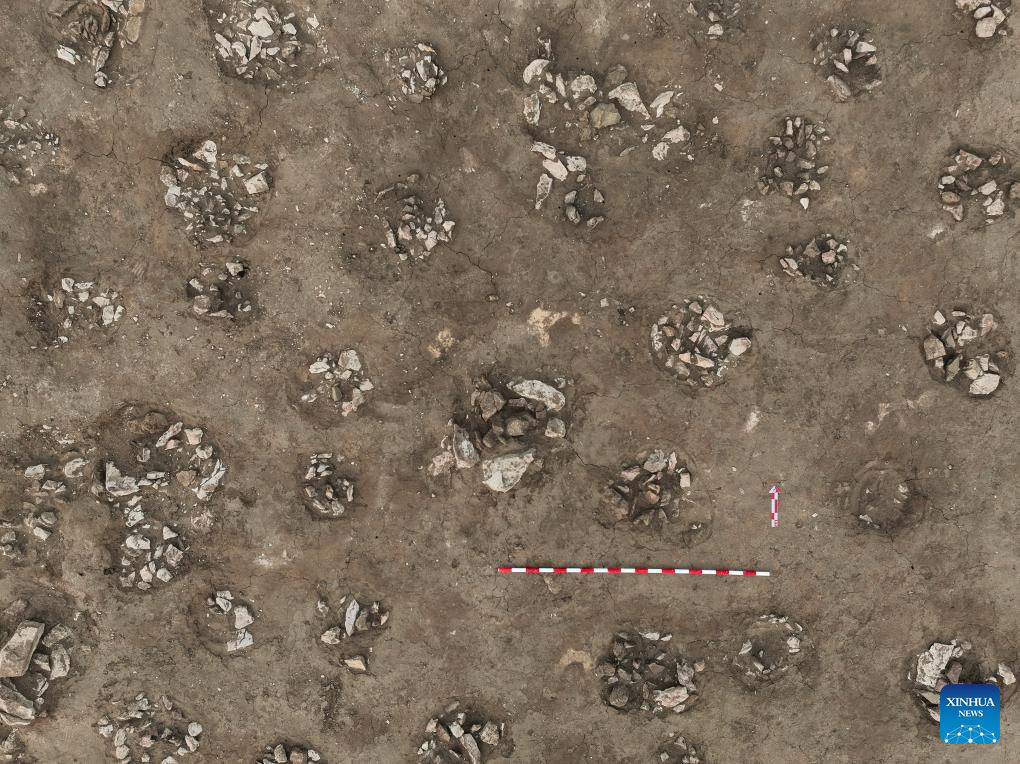
This file photo shows a view of stone mound tomb ritual pits at the Zhengjiagou site in Xuanhua, north China's Hebei Province. (Xinhua)
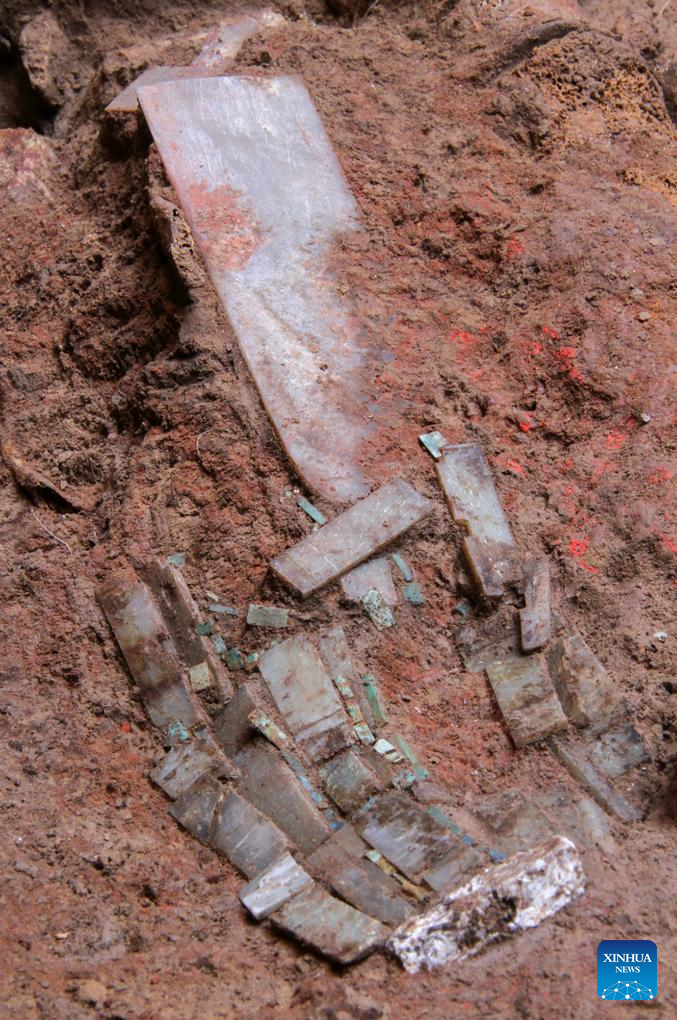
This file photo shows a jade object discovered from the Changchun Site, Fuping, northwest China's Shaanxi Province. (Xinhua)
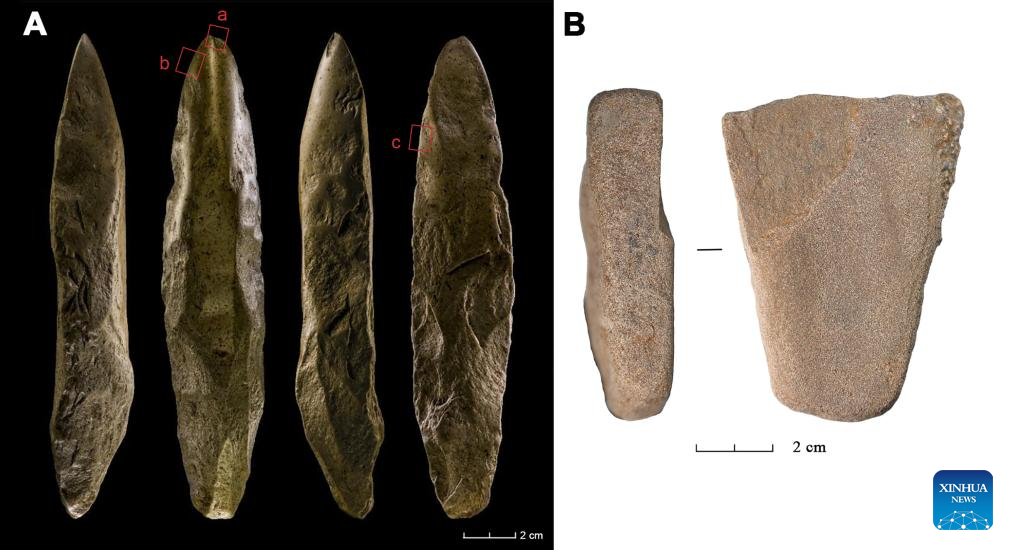
This combo file photo shows polished stone tools unearthed from the Dadong Paleolithic site in Helong City, one of the cluster of Paleolithic sites in the Changbai Mountains in northeast China's Jilin Province. (Xinhua)


